
Message from the Executive Director
As we move into a new season, I am reminded that some of the most meaningful work happens when we create opportunities for people to learn from one another.
This month, we have seen that in so many ways at Mozaic. Women who are learning English are finding the confidence to communicate and navigate their new community. Around our crochet table, refugee women and longtime community members are forming friendships one stitch and one conversation at a time. Our young people are developing leadership skills through Pulse and learning how to turn their own ideas into programs that serve others. And through our growing collaboration with George Washington University, college students are connecting service and learning with the experiences and stories of refugee communities.
These moments may look different, but they are all part of the same vision. Integration is not simply about helping someone adjust to a new place. It is about creating spaces where people feel that they belong, where their talents are valued, where they can contribute, and where relationships can grow across cultures, generations, and experiences.
>None of this happens without people willing to share their time and talents. I am deeply grateful to our volunteers, instructors, students, partners, donors, and community members who continue to show up and make these connections possible.
As we look ahead, I invite you to find your own place in this work—volunteer, mentor a young person, share a skill, support a program, or simply come sit at the table with us. There is always room for one more.
Raghad Bushnaq
Founder & Executive Director
Mozaic
The Mozaic Digest
Nearly 1.8 Million Syrian Refugees Have Returned—But Rebuilding Is Just Beginning
Nearly 1.8 million Syrian refugees have returned home since December 2024, according to UNHCR, while more than 2 million internally displaced Syrians have also returned to their communities. The numbers represent a remarkable shift after years of displacement.
Yet for many families, returning home is only the first step. 15.6 million people in Syria still need humanitarian assistance, and returnees often face damaged homes, limited employment, and strained schools, healthcare and basic services. In some areas, more than 70% of returnees are living in damaged housing.
Syrian authorities have now announced a goal of closing the country’s remaining displacement camps by September 2027 while calling for international support to rebuild communities. The challenge ahead is ensuring that families do not simply leave displacement camps, but are able to return safely, voluntarily and with the resources needed to rebuild their lives with dignity.
U.S. refugee admissions remain dramatically reshaped. The U.S. refugee system continues to operate very differently from the geographically diverse resettlement program of previous years. Recent reporting indicates that admissions during FY2026 have been overwhelmingly concentrated among South Africans admitted under the administration’s special program for Afrikaners, while ordinary refugee admissions from other regions remain extremely limited. This remains particularly significant for families seeking traditional refugee resettlement and reunification pathways.
Mozaic Highlights
GWU Collaborations
Building Bridges with George Washington University
Mozaic is excited to strengthen its connection with George Washington University, creating new opportunities for students to learn, serve, and engage meaningfully with our community.
This month, Mozaic presented volunteer opportunities to undergraduate students in two sections of Dr. Nabila Hijazi’s UW 1020: Contested Narratives: Beyond a Standard Refugee Narrative. Students learned about Mozaic’s work supporting refugees, women, and families and explored meaningful ways to complete service hours with us. From tutoring and research to event support and community programs, GWU students will have opportunities to put their skills into action while building connections with the communities Mozaic serves.
Our collaboration with GWU will also take a creative turn through Dr. Hijazi’s third course, UW 1020: Writing with Threads: Textiles, Embroidery, and the Narratives of Refugee Women. As part of the class, Mozaic sewing instructor Hania will work with students on a collaborative quilt project, teaching them the art and process of creating a quilt while exploring how textiles can carry stories, memories, and lived experiences.
Hania holds a master’s degree in sewing and fabric arts and currently teaches advanced sewing at Mozaic. She has worked with refugees from diverse backgrounds, helping women develop practical sewing skills that can build confidence, independence, and new opportunities.
We’re excited to see this partnership grow—bringing together university students, skilled instructors, and Mozaic’s refugee community through service, storytelling, learning, and creativity.


In-Person ESOL Classes
Building English Skills, One Word at a Time
In September, Mozaic launched a new beginner ESOL class, led by our dedicated volunteer instructor, Hadeel Elbackush.
Learning a new language can be incredibly challenging, especially while adjusting to life in a new country. For students starting with little or no English, even everyday tasks—reading a sign, filling out a form, speaking with a teacher, or asking a question at an appointment—can feel overwhelming.
Through the class, students are building their English skills from the ground up, beginning with writing the alphabet, learning basic vocabulary, practicing pronunciation, and developing simple communication skills. Each new word and phrase is a step toward greater confidence and independence.
Beyond language lessons, the class provides a welcoming and encouraging space where students can learn at their own pace and feel supported. We are grateful to Hadeel for giving her time and skills to help our students find their voice and navigate their new community with greater confidence.


Stitched Together: Crochet & Community
Mozaic’s Women’s Crochet Circle continues to grow! What began as a space for refugee women to gather and learn is now bringing together refugee women and members of the wider community around a shared table.
Led by Juman Humos, the ladies are currently practicing different crochet loops and learning to create granny squares, building their skills one stitch at a time. But the circle has become about much more than crochet.
As the women work together, conversation flows naturally—creating opportunities to practice English, exchange stories, learn from one another, and form new friendships. It’s a simple but meaningful example of integration in action: women from different backgrounds connecting through creativity, conversation, and community.
Sometimes, all it takes to begin a friendship is a hook, some yarn, and a seat at the table.
We are collecting yarn donations for worsted yarn (medium/weight 4). However, we are happy to accept any type, color or weight of yarn that you may have as we plan to branch out into various crochet projects.
You can support us by:
- Donating yarn you already have at home
- Purchasing yarn and bringing it to the Mozaic Center (weekdays between 11am – 4pm)
- Having yarn shipped directly to our Center in Sterling (46090 Lake Center Plaza, Suite 304, Sterling, VA 20165)
Thank you for supporting our crochet circle!


Pulse Club: Building the Next Generation of Youth Leaders
Mozaic’s Pulse members have been taking part in special leadership training with George Mason University student Reem Said, who is mentoring them on the practical skills it takes to successfully plan and run a youth program.
From writing professional emails and pitching ideas to developing proposals, presentation skills, recruiting members, and fundraising, students are gaining valuable real-world experience.
But they’re not just learning—they’re putting these skills into action. Pulse members apply what they learn by developing and planning programs for other youth, giving them the opportunity to take their own ideas from concept to implementation.
Through Pulse, young people have the opportunity to lead, create, and serve their communities while building confidence and skills they can carry into college, careers, and beyond.
Want to be part of Pulse?
If you’re a student interested in developing your leadership skills, bringing your ideas to life, and creating programs for other youth, we’d love to have you join us!
Learn more about Mozaic Pulse:
https://mozaicdmv.org/mozaic-pulse-program/
Ready to join? Sign up here:
https://forms.gle/b2VUpa5reYHxRNiJ8
In the Spotlight
Volunteer of the Month: Juman Nader Homos
Creating Connection, One Stitch at a Time
This month, we’re delighted to spotlight Juman Nader Homos, a George Mason University Biology student who brings creativity, patience, and a genuine commitment to service to Mozaic.
Juman is Palestinian and grew up in Manassas, Virginia. With hopes of becoming a physician, she wants service and community involvement to remain an important part of her life. Before joining Mozaic, she volunteered with organizations including the Girl Scouts and Boys & Girls Club of Greater Washington. Outside of school, she enjoys writing, reading, crocheting, crafting, and event planning.
Juman first learned about Mozaic through her mother, who encouraged her to get involved. She initially applied to volunteer in the library, but when she learned that the Women’s Crochet Club needed a volunteer, it felt like a natural fit. Juman has been crocheting for about 11 years and now shares that skill with women at Mozaic.
For Juman, Crochet Club is about much more than learning stitches. It provides a creative space where women can spend time together, learn something new, and build confidence. One of her favorite moments came when several women arrived at class carrying large granny squares they had continued working on at home.
“It made me really happy to see that I could successfully teach and connect with people, even with the language barrier between us.”
That experience reminded Juman of the importance of simply being willing to try—even when communication feels difficult. Seeing how much participants can learn in just an hour, and watching their confidence grow from week to week, has been one of the most rewarding parts of volunteering.
Her motivation for serving is rooted in a desire to give back to the community she is part of. As Juman puts it, community service means “taking responsibility for the world around you and contributing to something more than yourself.”
She leaves us with a favorite quote from Martin Luther King Jr.:
“Everybody can be great because anybody can serve.”
Thank you, Juman, for sharing your time, creativity, and skills with the women at Mozaic—and for showing us how something as simple as a crochet hook and yarn can help create connection and community.
Join the Women’s Crochet Circle
Juman currently leads Mozaic’s Women’s Crochet Circle every Monday and Thursday, sharing the skill she has enjoyed for more than 11 years. The circle is a welcoming space for women to learn, create, practice their crochet skills, and enjoy time together.
Interested in joining the Women’s Crochet Circle? Fill out the interest form here.
Share Your Time & Talent
Inspired by Juman’s story? Your own skills and interests can make a difference at Mozaic, too. Whether you can teach a skill, support a program, mentor youth, help at events, or lend a hand behind the scenes, we would love to hear from you.
If you’d like to volunteer your time and talent, please fill out our Volunteer Form.
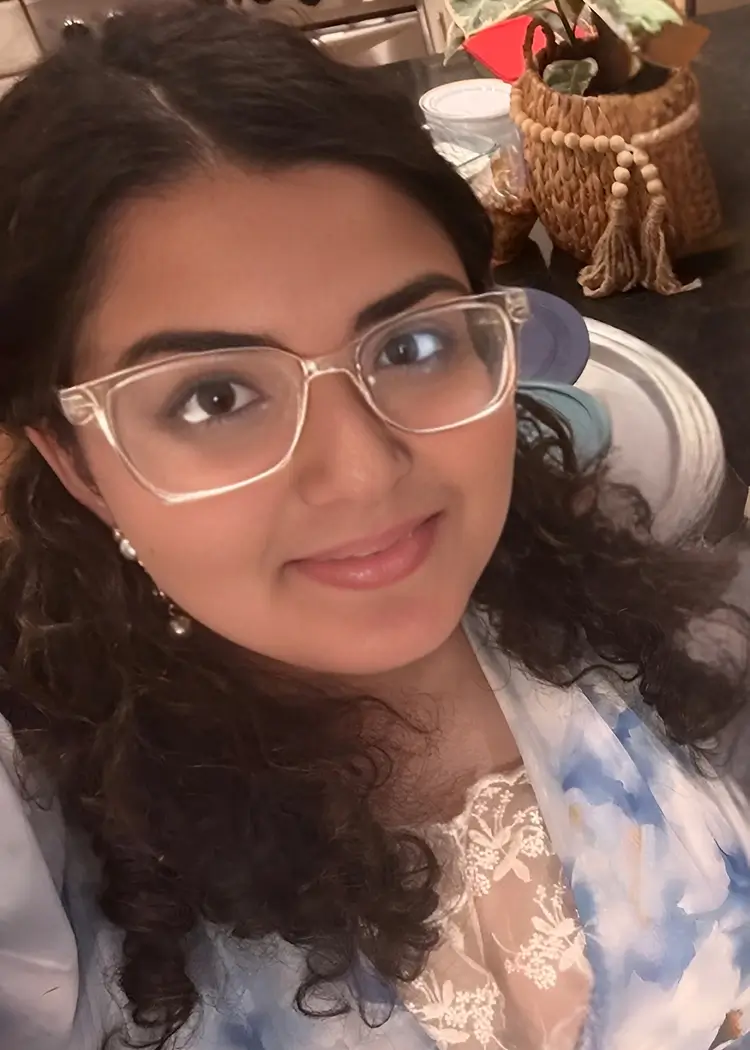
Story of the Month: Finding Strength, Community and Joy at Mozaic
At 60 years old, Shafiqa N. has experienced profound loss and significant change, yet she continues to move forward with faith, determination, and a desire to remain active and independent.
Shafiqa moved to the United States from Afghanistan five years ago. Before coming to America, she lost her mother to cancer and her husband to a heart attack. More recently, she experienced another heartbreaking loss when one of her sons drowned in an accident in Virginia. She is a mother of seven—five daughters and two sons—and also cares deeply for a daughter who is visually impaired.
Despite everything she has faced, Shafiqa says her faith in Allah helps her accept life’s hardships and keep going. She wants to stay healthy, remain independent, and not become a burden on her children. She makes a conscious effort not to allow grief over those she has lost to prevent her from continuing to live, learn, and connect with others.
For Shafiqa, Mozaic has become an important part of that journey.
Learning a new language at her age is not easy, but she tries her very best. Limited English does not stop her from finding her way to Mozaic independently. She takes the bus by herself to attend classes, and she loves participating in everything she can. She has even accompanied her elementary-aged grandson to Mozaic so that he, too, can take part in programs.
“When I come to Mozaic, I forget my sadness.”
The classes keep her busy, but just as importantly, she enjoys being surrounded by other women, learning new things, and having a community to belong to. Shafiqa loves the classes at Mozaic and makes every effort to attend.
Her story captures something at the heart of Mozaic’s work: integration is not only about learning English or navigating a new country. It is also about having somewhere to go, people to connect with, and the confidence to keep participating in community life.
Help Shafiqa—and Women Like Her—Stay Connected
Your donations help Mozaic provide accessible classes, learning opportunities, and a welcoming community for refugee and immigrant women rebuilding their lives in the United States. Please consider donating to help us continue this work.
We would also love to connect Shafiqa with a volunteer who can occasionally help with transportation to and from Mozaic classes. While she currently navigates the bus system independently, reliable transportation would make it easier for her to continue participating consistently.
If you would like to help Shafiqa with transportation, please complete our Mozaic Volunteer Form and mention that you are interested in transportation support.
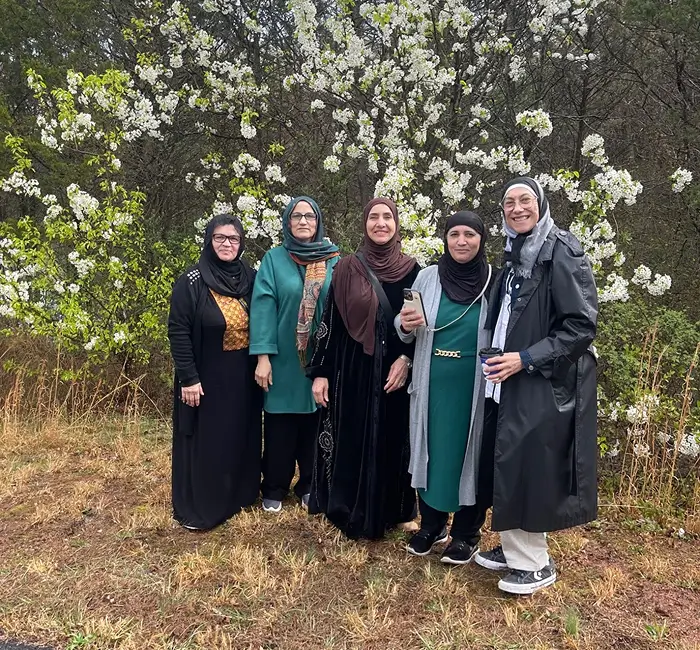
Mozaic Library Spotlight
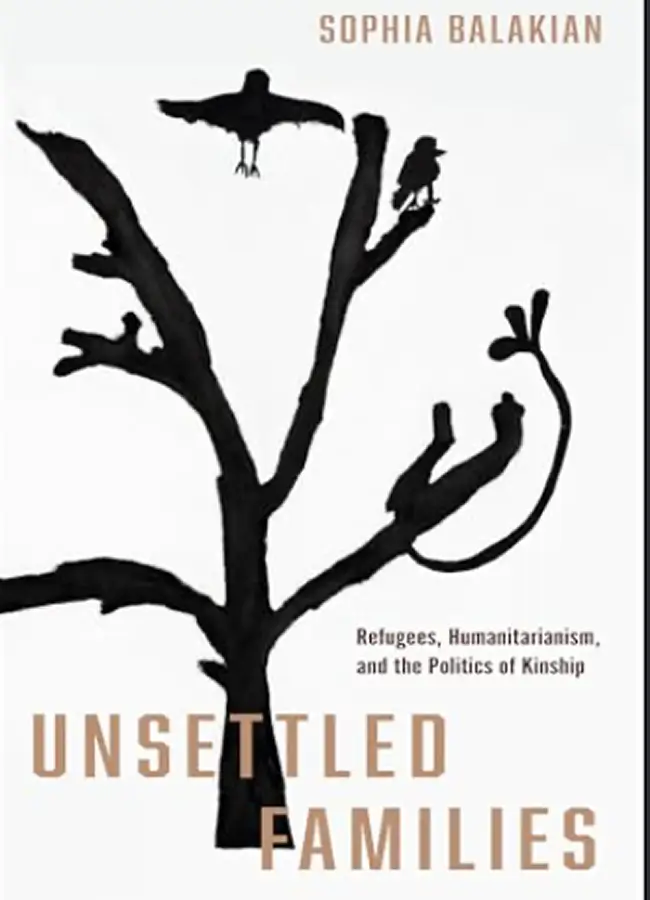
Book Spotlight: Unsettled Families by Sophia Balakian
In Unsettled Families: Refugees, Humanitarianism, and the Politics of Kinship, anthropologist Sophia Balakian takes readers beyond statistics and headlines to examine what refugee resettlement actually looks like for families navigating an extraordinarily complex system. Drawing on long-term ethnographic research in Nairobi, Kenya, and Columbus, Ohio, Balakian follows Somali and Congolese refugees as they encounter humanitarian organizations, immigration bureaucracies, and national security systems while seeking the possibility of a permanent home.
At the heart of the book is a deceptively simple question: Who gets to define a family? Humanitarian and immigration systems often rely on formal definitions of the nuclear family, while displacement can create much more complicated networks of care and responsibility. Relatives may be separated, children may be raised by extended family members, and people may form new bonds of kinship as they survive conflict and displacement. Balakian shows how these lived understandings of family can clash with bureaucratic definitions, sometimes causing refugee families to be viewed with suspicion or even accused of fraud.
One of the book’s strengths is that it keeps the experiences and agency of refugees at the center. Rather than portraying displaced people simply as victims of circumstance, Balakian examines how they make difficult decisions, fulfill obligations to relatives, and navigate systems in which opportunities for resettlement are extremely limited. Her ethnographic approach brings the emotional and relational dimensions of displacement into a conversation that can too easily become focused on applications, eligibility categories, interviews, and documentation.
For those of us working closely with refugee families, Unsettled Families is particularly thought-provoking. It reminds us that resettlement is not simply the movement of an individual from one country to another. Behind every case is a web of family relationships, responsibilities, separations, sacrifices, and hopes. The book challenges readers to look beyond labels and paperwork and consider how policies designed to determine who qualifies for protection can affect real families whose lives do not always fit neatly into bureaucratic boxes.
Discover it at the Mozaic Library!
Unsettled Families is available to borrow from the Mozaic Library. Stop by to check it out and explore our growing collection of books covering refugee experiences, culture, history, personal stories, children’s literature, and more.
Browse the Mozaic Library collection and discover your next read.
Blog of the Month
At Mozaic Sewing Studio, sewing is more than learning how to use a machine. It is a practical skill, a path toward independence, a way to build community, and a connection to a textile tradition that reaches deeply into Syrian history.
This season, the studio is growing in several exciting directions.
Mozaic is continuing its longstanding partnership with George Washington University’s writing classes, where refugee narratives and lived experiences become part of the students’ learning. This collaboration is now expanding through a hands-on sewing experience with Stitch at GWU for Mozaic Sewing Studio, where students will learn how to repair and work on a quilt. The activity creates a beautiful connection between storytelling and textiles: both preserve memory, bring separate pieces together, and give new life to what has been carried across generations.
At the same time, Mozaic is beginning new Sewing 101 and Alterations classes. These courses are designed to teach practical skills that participants can immediately use for themselves, their families, and potentially for future income. As both classes grow, we are also looking into purchasing additional sewing machines so that every student has adequate time for hands-on practice.
Donate Today
Hygiene Supply Drive
Purchase by Wednesday, October 7
Purchase items from our wishlist: https://amzn.to/4xP8Eo2
Upcoming Programs
Morals and Manners Class
Saturdays, beginning Oct 3, 2026 – June 5, 2027
Boys: 2pm – 3pm
Girls: 3pm – 4pm
Ages: 12 – 15 years old
Registration Link: https://www.zeffy.com/en-US/ticketing/morals-and-manners-class-ay2627
Youth Debate Program
Mondays, beginning Oct 5, 2026 – Dec 2026
5.30pm – 7pm
Girl, 7th – 9th grade
Registration Link: https://bit.ly/debatefall26
Sewing 101
Wednesdays, beginning Oct 7, 2026
Women Ages: 14 and up
Number of sessions: 7
Registration Link: https://bit.ly/sew101fall26
Kids’ Sira Workshop
Saturdays, Oct 31, 2026
5pm -7.30pm
Ages: 6 – 11 years old
Registration Link: https://bit.ly/siraworkshop26
Opportunities to Get Involved
Below are trusted local and national organizations offering support to immigrant, refugee, and newcomer families in Northern Virginia. These resources provide assistance with healthcare, mental health, housing, education, employment, financial stability, and legal services.
Resources for Immigrant Families in Northern Virginia
Volunteer With Mozaic
We are always looking for volunteers to support our community! From organizing books, to helping with transportation, research, and job search, there’s always a need to be filled! If you are keen to share your talents and give your time to Mozaic, Sign up here: https://mozaicdmv.org/contact-us/volunteer/
Apply for hygiene supplies from Mozaic
Families needing help with hygiene supplies can apply for hygiene supplies here:
Food Resources
Families needing help with food resources can check out Mozaic’s comprehensive list of food pantries and food banks.
https://docs.google.com/spreadsheets/d/1_0q9a6sB5uVS1euDOrER9yaz1CIm2Aw242RDqSlOiaQ/edit?usp=sharing
Healthcare & Mental Health Support
National Alliance on Mental Illness (NAMI) – Northern Virginia
Free support groups, mental health education, and multilingual resources to help individuals and families navigate mental health challenges.
🔗 https://nami-northernvirginia.org/
HealthWorks for Northern Virginia
Low-cost medical, dental, and behavioral health services for uninsured, underinsured, and immigrant families.
🔗 https://hwnova.org/
Neighborhood Health
Federally Qualified Health Centers offering primary care, behavioral health, women’s health, and dental services with sliding-scale fees.
🔗 https://www.neighborhoodhealthva.org/
Housing & Financial Support
United Way 211 Virginia
Free 24/7 hotline and online directory that connects families to housing assistance, food resources, financial support, and other services.
📞 Dial 2-1-1 | 🔗 https://211virginia.org/
Coordinated Services Planning (Fairfax County)
Helps families access emergency food, shelter placement, utility support, and short-term financial assistance. Interpretation services available.
📞 (703) 222-0880 | 🔗 https://www.fairfaxcounty.gov/topics/registerapply
Education & Youth Resources
Parent Resource Center – Fairfax County Public Schools
Workshops, one-on-one support, special education guidance, and multilingual resources to help parents advocate for their children’s education.
🔗 https://www.fcps.edu/frc
Loudoun Literacy Council
English classes, reading support, and family literacy programming to strengthen learning at home and school.
🔗 https://loudounliteracy.org/
Ethiopian Community Development Council (ECDC)
Youth programs, ESL classes, family support, and refugee resettlement services in the region.
🔗 https://www.ecdcus.org/
Employment, Skills & Financial Empowerment
Virginia Career Works – Northern Region
Career centers provide job search assistance, training opportunities, resume help, and workforce resources at no cost.
🔗 https://vcwnorthern.com/
CASA
Offers workforce development, workers’ rights education, financial literacy support, and job readiness programs for immigrant workers.
🔗 https://wearecasa.org/
Immigration & Legal Assistance
Justice for Our Neighbors (JFON)
Provides low-cost and pro bono immigration legal services including TPS, asylum, family petitions, and work authorization support.
🔗https://www.immigrationadvocates.org/legaldirectory/organization.486633-Justice_For_Our_Neighbors
ImmigrationHelp.org
A free nonprofit online platform offering step-by-step tools for completing immigration forms such as work permits, green card renewals, and DACA applications.
🔗 https://www.immi.org/en
Restoration Immigration Legal Aid (RILA)
Pro bono immigration legal services focused on asylum and special immigrant juvenile cases.
🔗 https://www.restorationimmigration.org/
Just Neighbors
Provides immigration legal services and referrals to help low-income immigrants navigate the immigration system.
🔗 https://www.justneighbors.org/resources-for-non-citizens/
Legal Aid Justice Center
Offers civil legal advocacy and representation on issues that affect immigrant and low-income families.
🔗 https://www.justice4all.org/
💛 Building stronger communities, one story at a time.
📩 Mozaic Support
For direct support, program questions, or to get involved, contact us:
Email: info@mozaicdmv.org
Phone: 202-989-9000
✨ Donate today to sustain programs that nurture creativity, confidence, and community: mozaicdmv.org/donate
🙌 Volunteer with us and make a hands-on impact: mozaicdmv.org/volunteer
📅 Stay connected for future events and programs: mozaicdmv.org/events
Lending a Helping Hand to Build a Better Community
Refugees | Women | Children